|


|
|


Google is the most widely used search engine in the world -- but are you using it to its full potential? Business Insider has put together a quick video of essential Google tips and tricks, and while some of them are pretty obvious — who doesn't know to use full quotations to look up exact phrases at this point? — some of them were new to us and thus will hopefully be new to you as well.
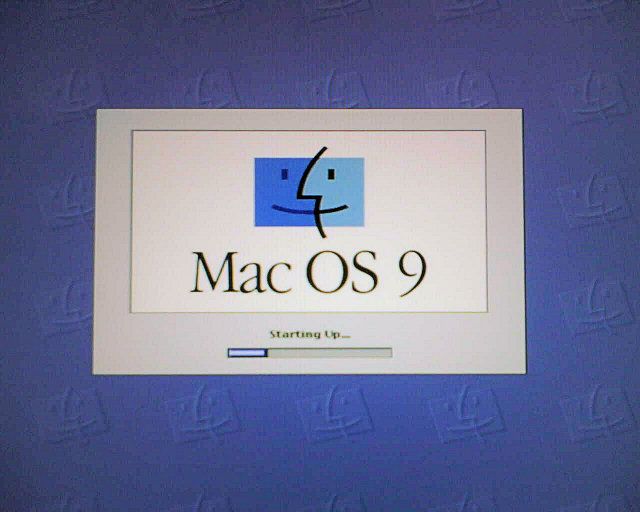
One of the things that makes a Mac a Mac is the beautiful startup sound it makes when you turn it on: a soothing, sonorous noise that sounds like electronic harp strings being plucked as you enter the gardens of Zen.
But it wasn't always this way. When the original Macintosh was released, the startup sound was horrible. Yet it wasn't Steve Jobs who fixed it. It was an unknown sound engineer who hated it with such a passion that he defied his bosses and literally snuck it onto the Mac.
His name was Jim Reekes. The son of an early Apple employee, Reekes was working at Apple as an engineer in 1988, when he started thinking about how he could improve the sounds: particularly, the original Mac tritone start-up sound, which was made up of a combination of notes that early eighteenth-century music theorists and composers called the devil's interval,
"It's not just me that thinks it's bad. It's bad," Reekes told Wired about the tritone. "It's been bad throughout history. It's literally the most dissonant sound you can make."
Soon, Reekes decided he wanted a more meditative sound, which he had to design for every Mac Apple sold, whether the cheapest Macs with dinky speakers, or top-of-the-line music studio Macs.
Eventually, Reekes came up with the sound we all know today. Here's Wired:
He ended up with a big two-handed C-major chord. It's in stereo. It fades back and forth, left to right. There's a bit of reverb in it. It's played by a bunch of string sounds and even what Jim describes as a "chiffy" bamboo chute sound. "It's a calm sound. And I knew that people understood C major, even nonmusicians. And it'd still feel interesting to people who are in very good studios. I was trying to reach a very broad audience with the intent and type of emotion I was trying to evoke."
The Mac start-up sound we all know and love today was first shipped on the Macintosh Quadra 700, after Reekes literally began sneaking it onto prototypes. But for years, executives wanted to change it back, until Steve Jobs came back in 1996, heard it, and fended off any future alterations.
Here's all of the start-up sounds the Mac has ever had. We sure have come a long way, haven't we?
Source: Wired
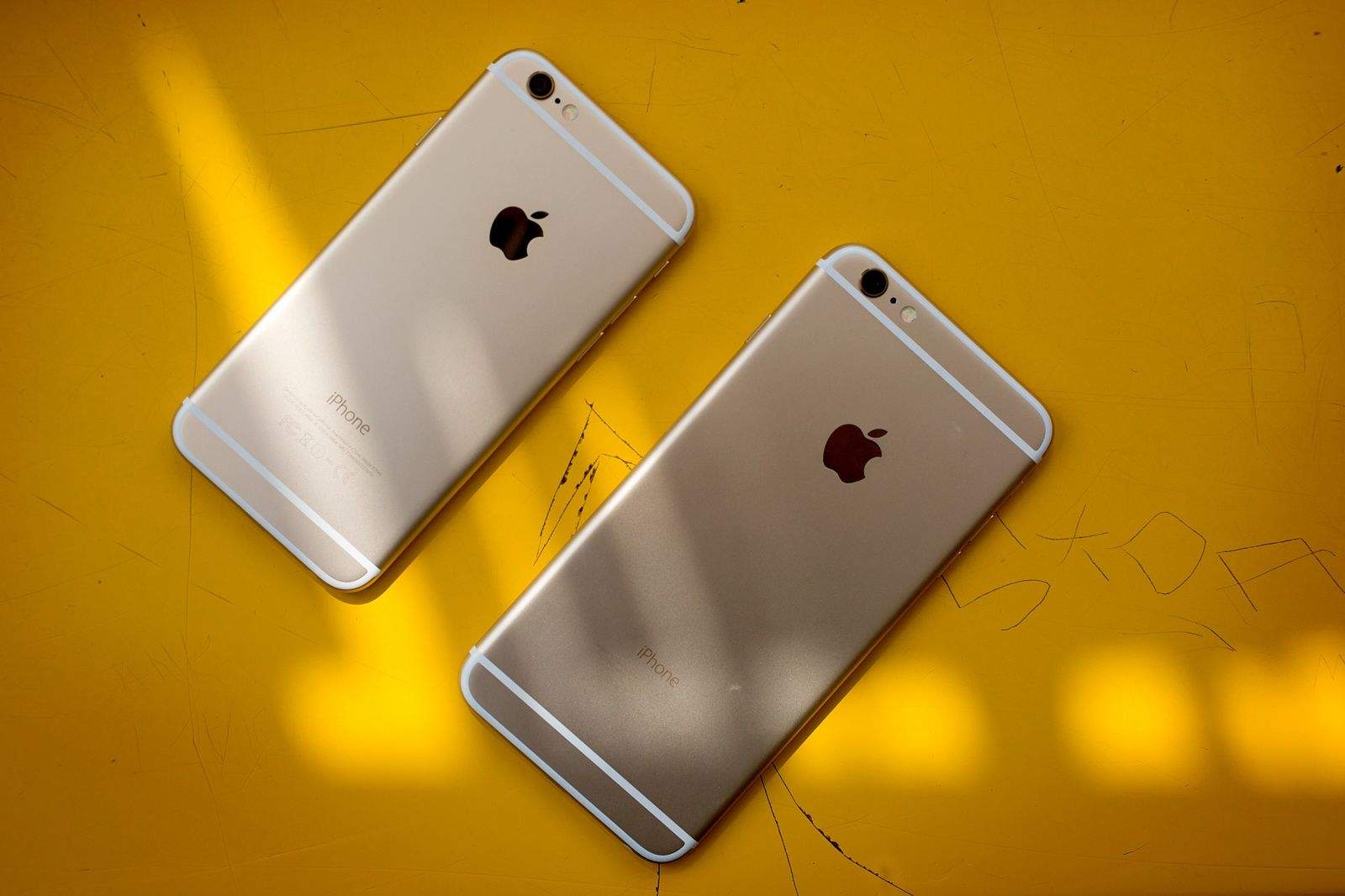
iPhone 6 and 6 Plus Photo: Jim Merithew/Cult of Mac
Tim Cook wasn't kidding when he said that the iPhone 6 and 6 Plus were proving to be Apple's most popular iPhones of all time.
Two new reports coming out of Apple's Chinese supply chain today demonstrate the extent to which this is true. According to one report, Apple's Chinese production line is on course to ship a total of 50 million iPhone 6 devices by the end of 2014 — referring only to the 4.-inch iPhone 6 and not including the 6 Plus.
By comparison, for the calendar fourth quarter of 2013, Apple sold a total of 51 million iPhones all-in, which itself marked an all-time quarterly record.
To allow manufacturer Pegatron Technology to focus on building these iPhone 6 devices, Apple has reportedly shifted its iPhone 5c production from Pegatron to another manufacturer, Wistron. Orders for the iPhone 6 are expected to boost Pegatron's consolidated revenues to a record-breaking $9.54 billion in this year's fourth quarter.
It's not just the iPhone 6 that's making waves, either. Apple's also desperately trying to get more iPhone 6 Plus handsets flying out of the door by offering Foxconn more money to build them.
In an effort to increase efficiency, Apple is reportedly even willing to slash its own margins by raising payments to Foxconn by 20-25% and paying $24-25 for each iPhone 6 Plus made — rather than the $20 Apple currently spends.
While these added fees could have a substantial boost on Foxconn's own Q4 revenues, it is said that the quotes will gradually return to original levels once Foxconn's production capacity and yield rates have increased.
However you slice it, folks, this iPhone business sure has legs…

After claiming in many reports that Apple was trying to increase iPhone 6 Plus production to meet huge demand in China and other markets, Digitimes is back with a new report that explains what Apple plans to do to actually increase iPhone phablet supply.

Tim Cook noted during Monday's earnings call that Apple was "investing like crazy" in China, but he took the opportunity of his current visit to the country to put a specific number on the company's retail expansion plans: it will open 25 new Apple Stores in Greater China within the next two years. Greater China includes both Hong Kong and Taiwan.
Speaking to local media, Cook also said that China would in time become Apple's biggest market, reports the WSJ …
The paper was able to confirm with Apple that Cook said:
In the future China will become Apple's biggest revenue contributor. It's just a matter of time.
Bloomberg noted that Apple's Q4 results show that Greater China currently makes up 14% of Apple's revenues. Chief financial officer Luca Maestri described demand from China as "off the charts" and Cook described the country as "an enormous market where there are more people graduating into the middle class than any nation on Earth in history."
Cook's visit to China began with a meeting with the country's vice premier to discuss information security after the recent iCloud.com phishing attack which was reported to have been orchestrated by the Chinese government. He followed this with a visit to an iPhone factory, which he described as "an early highlight" of the trip.
The Apple CEO is due to attend meetings at Beijing's Tsinghua University, where he is a member of the advisory board for the School of Economics and Management. Facebook CEO Mark Zuckerberg, also in China at present, has recently joined the same board and is likely to be attending some of the same meetings. Cook also indicated that he may be meeting with local firms Baidu and Alibaba during his trip.

Check out 9to5Mac for more breaking coverage of AAPL Company, Apple, and iPhone.
What do you think? Discuss "Apple to grow retail stores in China from 15 to 40 within two years, says Cook" with our community.