Shared via feedly // published on BGR // visit site
Android design chief praises Facebook Home, calls it incredibly polished

Continue reading...

 新浪科技訊 香港時間4月30日凌晨消息,據美國科技博客BusinessInsider報導,2013年 Apple 公司全球開發者大會WWDC(以下簡稱WWDC大會)一票難求,但美國軟件創業公司Red Sweater Software創始人丹尼爾‧雅庫特(Daniel Jalkut)認為,WWDC大會已經偏離其使命。 Apple 公司即將在舊金山舉辦的WWDC大會是該...


Ive at iPhone 5 event (Getty Images)
According to multiple people who have either seen or have been briefed on the upcoming iOS 7, the operating system sports a redesigned user-interface that will be attractive to new iOS users, but potentially unsettling for those who are long-accustomed to the platform…
The new interface is said to be "very, very flat," according to one source. Another person said that the interface loses all signs of gloss, shine, and skeuomorphism seen across current and past versions of iOS. Another source framed the new OS as having a level of "flatness" approaching recent releases of Microsoft's Windows Phone "Metro" UI.
"Flat" design is based on simplicity and pushes aside heavy textures and digital metaphors of real-life objects found in skeumorphic interfaces. "Flatness" could also point to a more streamlined interface across the entire system that can stand the test of time.

iPad's Calendar, Reminders, and Contacts apps
For example, younger generations of iOS users may not resonate well with a yellow notepad (as found in the current iOS Notes app) or the leather-bound calendar app.
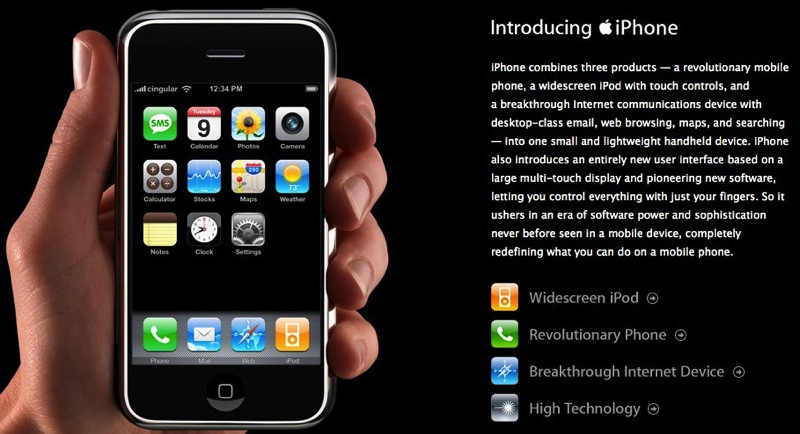
iOS has typically been regarded as an easy-to-use, intuitive operating system. The Company even seems to say as much on its iOS webpage (shown directly below). With its large user-base and market attraction, Apple obviously does not want to make any design changes that make the software more difficult to use.

Apple's iOS site
While the look of the updated system may be surprising to some, iOS 7 is reportedly not more difficult to use than earlier versions of software platform. There is apparently no new learning curve in the same way there was no learning curve when the iPods went color. While iOS 7 does look different, its core apps and system fundamentals (like the Lock and Home screens) mostly operate in a similar fashion to how they do today.
iOS 7 is codenamed "Innsbruck," according to three people familiar with the OS. The interface changes include an all-new icon set for Apple's native apps in addition to newly designed tool bars, tab bars, and other fundamental interface features across the system. iOS devices running the next-generation software reportedly have polarizing filters to decrease viewing angles of on-lookers.

OS X Notifications panel
In addition to losing the complex interface design characteristics from earlier versions of iOS, Apple has been discussing and testing ways to add more 'glance-able' information and system options panels, like Notification Center, to the software. While it is still uncertain if Apple will end up including such new functionality in iOS 7, or how the Company will implement the potential addition, one of the early ideas was to implement the new panels via swipes from the left and right side of an iOS device's display. This would be similar to the gesture on Apple's Mac trackpads for accessing Notification Center in Mountain Lion, but what, specifically, the iOS gesture could access is uncertain.

Test version of iOS 4 multitasking from 2010
Prior to announcing and launching new versions of iOS, Apple tests many various implementations for features. For example, Apple had toyed with the idea of having an Expose-like Multitasking interface for iOS 4, but ended up choosing the linen-backed bottom drawer that we are now accustomed to.
Apple's redesigned iOS experience stems from Apple Senior Vice President of Industrial Design Jony Ive now spearheading interface design. With former Senior Vice President of iOS Scott Forstall leaving Apple late last year, influence on software design was handed over to Ive. Ive is long-known as the king behind Apple's many hardware successes like the iPad, iPhone, iPod, and Mac computers.
In an interview early last year, Ive shared his lack of connection to the software that runs on his hardware.
When I mention the fake stitching, Ive offers a wince but it's a gesture of sympathy rather than a suggestion that he dislikes such things. At least, that's how I read it. He refuses to be drawn on the matter, offering a diplomatic reply: "My focus is very much working with the other teams on the product ideas and then developing the hardware and so that's our focus and that's our responsibility. In terms of those elements you're talking about, I'm not really connected to that."
Matching the information about iOS 7 gaining a "flatter" interface design, a profile of Apple's internal software design work paints Ive as against flashy, skeumorphic interfaces:
Inside Apple, tension has brewed for years over the issue. Apple iOS SVP Scott Forstall is said to push for skeuomorphic design, while industrial designer Jony Ive and other Apple higher-ups are said to oppose the direction. "You could tell who did the product based on how much glitz was in the UI," says one source intimately familiar with Apple's design process.
Apple's change in interface philosophy under Jony Ive and Tim Cook is also a radical departure from Apple under Steve Jobs.

Jobs and Forstall (Image via Getty)
Jobs, according to the same profile of Apple's design work, was, like Forstall, a proponent of life-like interfaces.
But before Forstall, it was Steve Jobs who encouraged the skeuomorphic approach, some say. "iCal's leather-stitching was literally based on a texture in his Gulfstream jet," says the former senior UI designer. "There was lots of internal email among UI designers at Apple saying this was just embarrassing, just terrible."
While one of our sources paints the iOS 7 design changes as changes that will gain the appreciation of some and the surprise of others, Apple CEO Tim Cook seems excited and confident about what the company has in store. During the question-and-answer session of the Q1 2013 earnings call, responding to a question regarding Apple's software updates for 2013, Cook said, "we feel great about what we have got in store."
Based on Cook's past comments and moves to further integrate both Apple's products and its internal culture, Cook's choice to put Ive in charge of software design also seems to stem from Cook's admiration of integrated experiences. In a wide-ranging interview with Bloomberg BusinessWeek earlier this year, Cook addressed Forstall's ousting from Apple and Ive's new work on software design as a way to further unify Apple's hardware and software:
Jony [Ive, senior vice president of industrial design], who I think has the best taste of anyone in the world and the best design skills, now has responsibility for the human interface. I mean, look at our products. (Cook reaches for his iPhone.) The face of this is the software, right? And the face of this iPad is the software. So it's saying, Jony has done a remarkable job leading our hardware design, so let's also have Jony responsible for the software and the look and feel of the software, not the underlying architecture and so forth, but the look and feel.
Over the past couple of months, Apple seems to have been hinting at an impending shift in its software design philosophy.

Before (left) and after (right) look at Apple's Podcasts app (Comparison by Zach Kahn/@zkahn94)
Earlier this year, Apple released an updated version of its Podcasts app for iPhone and iPad in order to simplify some design elements (comparison shown above). Prior to that recent update, the application included a physical "tape deck" interface for the user to manipulate in order to move through a podcast.

WWDC 2013 logo
Additionally, Apple's WWDC 2013 logo, the art for the conference in which iOS 7 will be announced, has sparked speculation about flat interface design with its modern, lightweight text and other elements. Indeed, one source claims that Apple's Game Center icon and interface materials will be somewhat akin to the colorful nature of the WWDC 2013 logo. Because of its casino-like, green-felt design, Apple's current Game Center app has been widely panned by proponents of flat software interface design.

Apple's homepage
Also, Apple highlights iPad and iPhone applications on its homepage that include flat-interface designs. For example, the home page touting the full-sized iPad and iPad mini highlights former Apple employee Loren Brichter's popular Letterpress game. Letterpress has been regarded by many as a simple to use, "easy-on-the-eyes" game for its flat textured interface.
With Apple's vibrant iOS application development community, the prospects of a redesign iOS go beyond Apple's apps and core interface functions. Internal to the third-party iOS app community, some fear that Apple's interface changes could deem App Store apps, that are currently built to look consistent with Apple's own interface, outdated.
AppHero's Jordan Satok, who has a comprehensive view of the App Store ecosystem, points out that iOS interface changes will likely not pose challenges for all developers.
"When we started building iOS apps almost 5 years ago, most apps looked the same. Apple did an amazing job designing UIKit to provide a really consistent user experience across apps," he said. "As the App Store has grown, and the types of apps being built have evolved, designers and developers have pioneered new interface styles and concepts."
Because many apps are picking up unique interface designs, Apple's changes to its core software will likely not make much of a difference to these developers. Nonetheless, it is likely that once iOS 7 is announced, developers that have followed Apple's own past iOS design trends will quickly move to enhance their App Store apps to follow some of Apple's changes.
Apple's next version of OS X will include some design changes, but the changes will not be as notable as the aforementioned enhancements to iOS.
     |
Farhad Manjoo of Slate wrote a very interesting piece after Apple (NASDAQ: AAPL ) reported earnings last week, arguing that the iPad is poised to lead Apple's next wave of growth. Manjoo compares the iPad to the iPod, where Apple has been able to retain a dominant market share for over a decade. He claims that the iPad will perform similarly for Apple, while the iPhone has already lost its dominant position and will remain a niche product, albeit a highly profitable one.
However, while the iPad has solid growth prospects, the iPhone will still be the primary driver of future revenue and profit growth for Apple. The need to partner with wireless carriers to drive iPhone sales has resulted in lumpy growth, but it also means that there is a significant unaddressed market for the iPhone. Moreover, the iPad Mini was recently released as an entry-level tablet, and Apple is likely to introduce a similarly cheap iPhone in the next year or so. In fact, iPad growth may already be close to its peak; by contrast, iPhone unit growth is likely to reaccelerate when Apple adds new carrier partners and/or creates a cheaper phone. This ensures that the iPhone will remain the top dog for Apple.
The argument
Manjoo's argument is fairly simple. First, he states that the iPad has already hit an affordable price point with the $329 iPad Mini. While Google's Nexus 7 and Amazon.com's (NASDAQ: AMZN ) Kindle Fire are significantly cheaper, Manjoo points out that Apple has 350,000 apps customized for the iPad, leaving Android tablets in the dust. Manjoo argues that this large app ecosystem locks in customers and developers; customers will want to keep buying iPads so they can keep their apps, and the large base of app-hungry users will encourage developers to focus primarily on iOS.
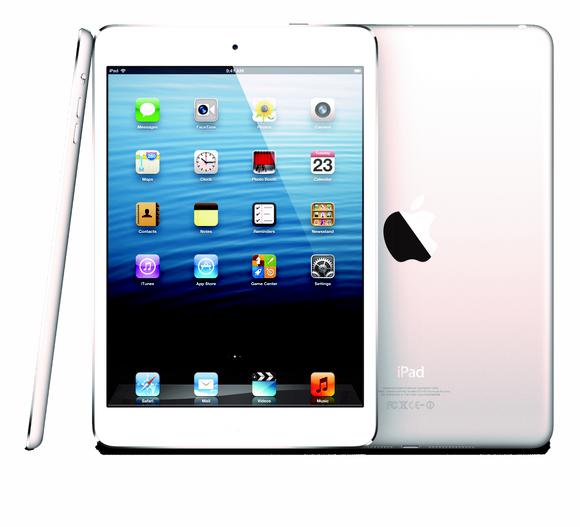
The iPad Mini. Source: Apple.
Manjoo also notes that Apple's iPad sales grew 65% last quarter, while iPhone sales grew just 7%. He notes that if that pace continues, iPad could overtake iPhone as Apple's best-selling product by 2015. Manjoo also points to IDC's five-year outlook, which shows the iPad having 46% of the market in 2013, and 43.5% in 2017. All in all, Manjoo believes that the iPad's strong positioning in the tablet market provides a long runway for growth.
iPhone is still king
The first apparent flaw in this analysis stems from the fact that, despite the iPad's recent growth, Apple sells many more iPhones than iPads at present. Even after iPad unit sales grew 65% last quarter, it was still outsold nearly two-to-one by the iPhone. iPad's growth in 2013 is coming off of a base of 58 million units sold in the most recent fiscal year; however, it is important to remember that the iPhone generated 73% unit growth just last year, growing from a little more than 72 million unit sales in FY11 to 125 million in FY12.
In other words, it is relatively easy to generate impressive percentage growth up to a point. Eventually the market becomes saturated, though, and growth tends to hit a wall. This trajectory is reflected in the IDC numbers Manjoo cites, insofar as IDC projects a compound annual growth rate of just 15% for the iPad over the next five years. At that pace, the iPad would not even hit today's iPhone sales rate at the end of the forecast period.
iPhone will remain king
While the iPad's growth is probably peaking, the iPhone appears to have already exited its high-growth phase. However, as I have written previously, I expect Apple to introduce a cheaper iPhone priced at $329 or $349 (unsubsidized) within the next year or so. This could have the same effect on iPhone sales that the iPad Mini had on iPad sales. There are many people who would pay a premium for an iPhone but cannot afford $450 or more for a phone, and therefore turn to cheap Android phones instead. Narrowing the price gap would allow Apple to compete for these customers. For example, a recent "trade-in" promotion in India that lowered the cost of an iPhone 4 from approximately $485 to $360 tripled the sales rate in one week.
Lastly, there are still a few major wireless carriers that have not yet begun offering the iPhone, most notably China Mobile. Even T-Mobile USA just introduced the iPhone this month. The iPhone's slowing growth rate is partially attributable to the lack of major carrier partner additions in the last year. However, it is virtually inevitable that Apple will eventually partner with China Mobile and other major carriers that do not have the iPhone yet. The combination of a cheaper iPhone and broader distribution will reenergize iPhone sales. In fact, IDC projects a 19% compound annual growth rate through 2016 for the iPhone, meaning that it will actually gain ground on the iPad in the next few years.
Foolish conclusion
The iPhone and iPad are both wonderful products for consumers and for Apple shareholders. However, the iPhone is already the dominant product in terms of revenue and profit, and this is unlikely to change anytime soon. While the iPad is not likely to get much cheaper, the iPhone is ripe for a price drop today, which could stimulate significant demand in developing countries. The addition of new iPhone carrier partners will put even more distance between the iPhone and the iPad. In short, the iPhone is the product most likely to lead Apple's next wave of growth.
Got Apple? Get smart.
There's no doubt that Apple is at the center of technology's largest revolution ever, and that longtime shareholders have been handsomely rewarded with over 1,000% gains. However, there is a debate raging as to whether Apple remains a buy. The Motley Fool's senior technology analyst and managing bureau chief, Eric Bleeker, is prepared to fill you in on both reasons to buy and reasons to sell Apple, and what opportunities are left for the company (and your portfolio) going forward. To get instant access to his latest thinking on Apple, simply click here now.
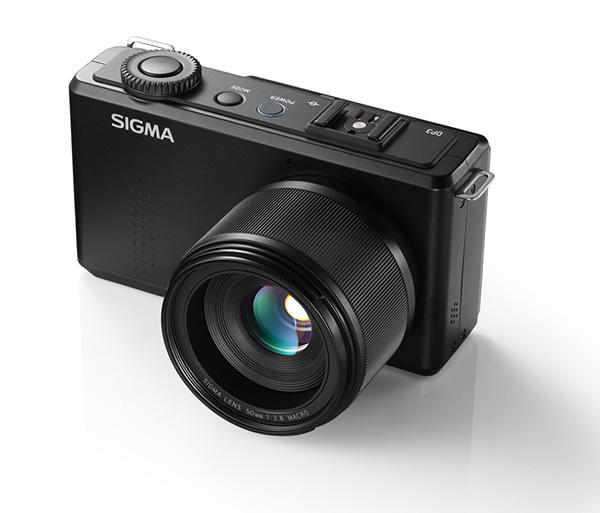
Some see the arrival of cameras such as these as indicative of camera companies responding to the market by taking on smart phones as a camera to take everywhere.
While phone cameras are damned useful and most of them take pretty decent images, they fall down in many respects.
Some, but not all, fall down in low light, with little access to high IOS settings; many disallow precise control of the lens aperture, enabling low light photography and/or control of depth of field; a similar story can be told of shutter speed control, preventing sharp images of fast moving objects; extended zooms are rare in smart phone cameras; battery life may be foreshortened due to excessive phone use.
But we're not here to bash smart phones … god love 'em!
Back to the review.
As usual, I started firing off with not a peek in the manual. OK for a few shots, then the screen blacked out!
Messing about with the buttons I found I had encountered one that accidentally canned the display. Dumb!
The DP3 Merrill looks like a bread-and-butter digicam in its all black livery with very few external controls, each id'd by clear white text. And little else.
Top deck: flash hot shoe, button for mode selection and shutter plus a command dial that allows alteration to diaphragm, shutter speed and menu.
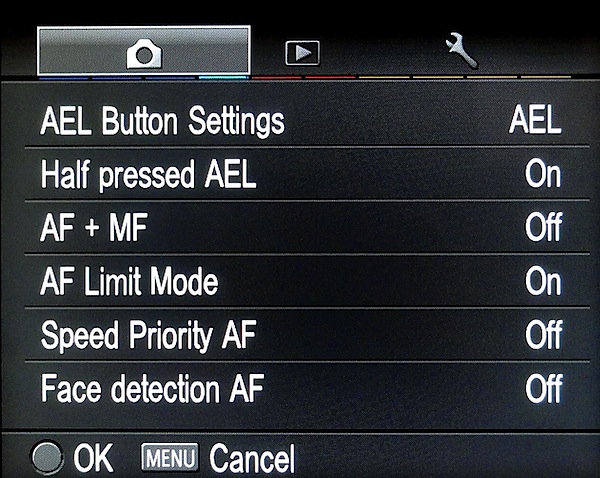
Rear: a button for AEL (exposure lock), doubling for trash; a QuickSet button that accesses commonly used functions like ISO, flash mode, metering and drive modes; the menu button which takes you into the not over-loaded menu options; the four way controller selects picture settings (contrast, sharpness, saturation) and focus pattern; replay; display on/off and other options.
If you want to select Program or shutter or aperture priority you tap the mode button. Simple!
The big headline with this camera is its Foveon X3 sensor that captures 46 million pixel still images. See below for an explanation.
The maximum image size is 4704×3136 pixels or 40x27cm as a printed image.
Video: A tiny 640×480 MPEG movie clip at 30fps. This camera is surely not for making movies.


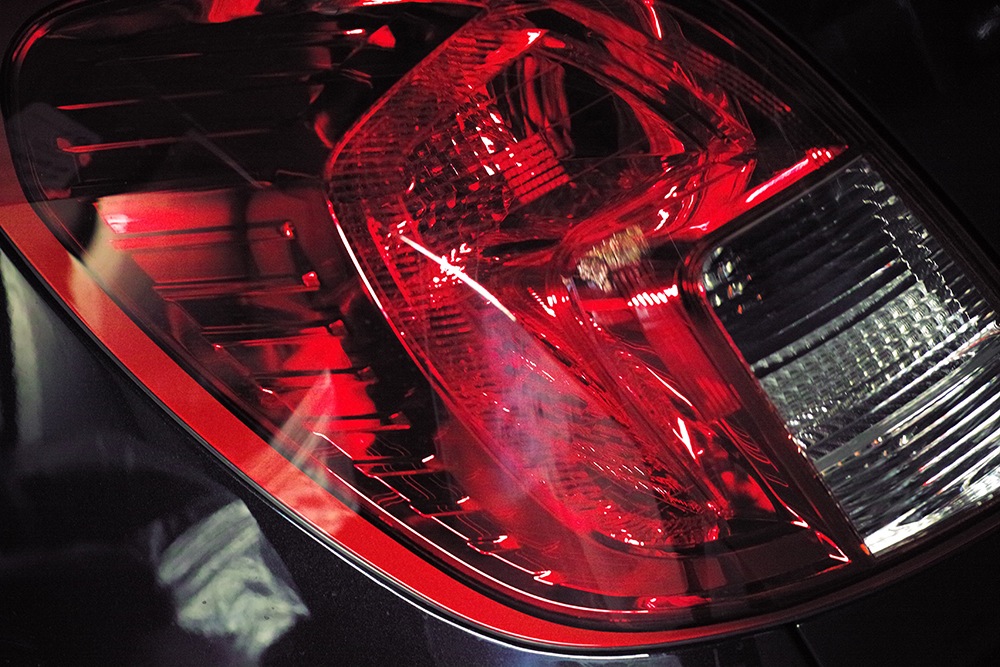
The fast f2.8/500 lens has a 35 SLR equivalent of 75mm, so it's an ideal beast for shooting portraits, not general scenery. Macro? Ideal!
A large buffer memory enables the camera to capture up to seven RAW images per sequence in continuous shooting mode.
Auto focus has a multi point select mode that selects the desired focusing point from nine different frames and a free move mode that can move the desired point to any spot. Manual focus is also available by using the focus ring for focusing — just like an SLR!
It was three seconds after power was applied that I could take the first shot; follow-ons came in at a little over a second apart. Not fast!
No problems.
Now here is where the walls fall down!
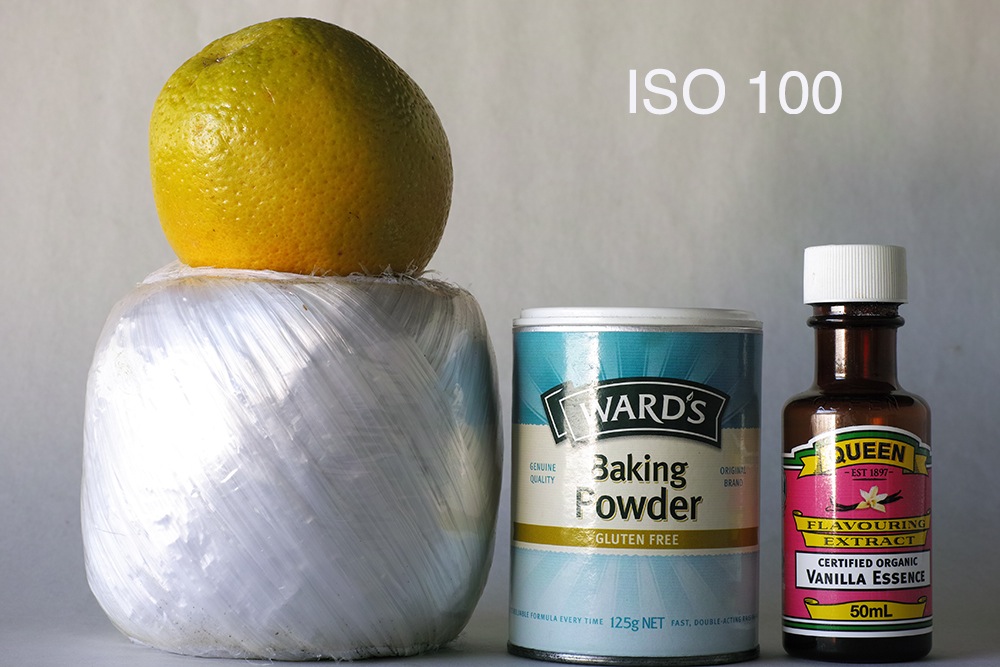
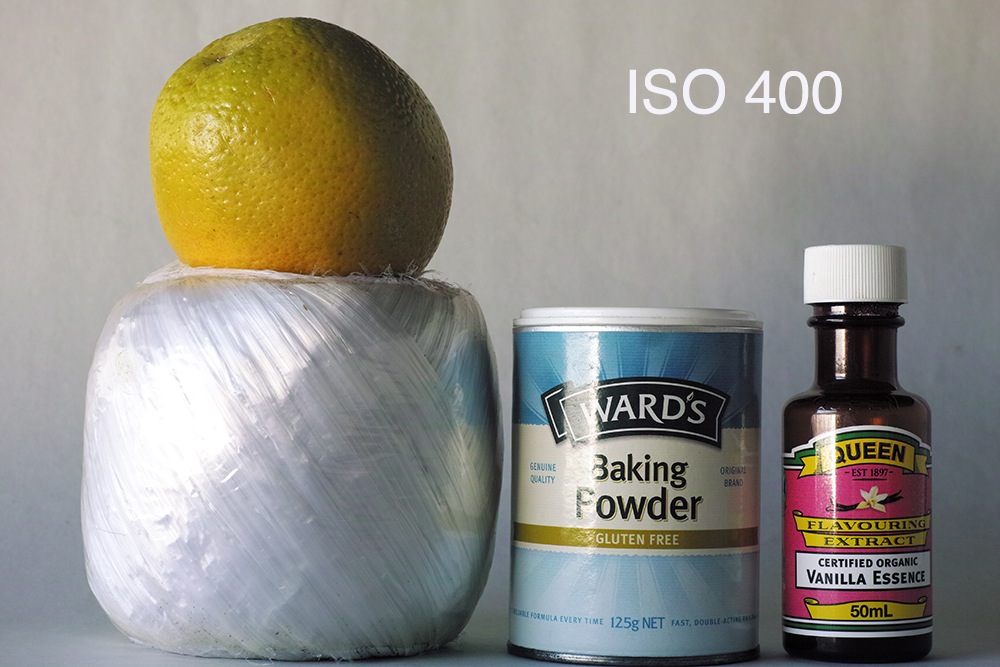
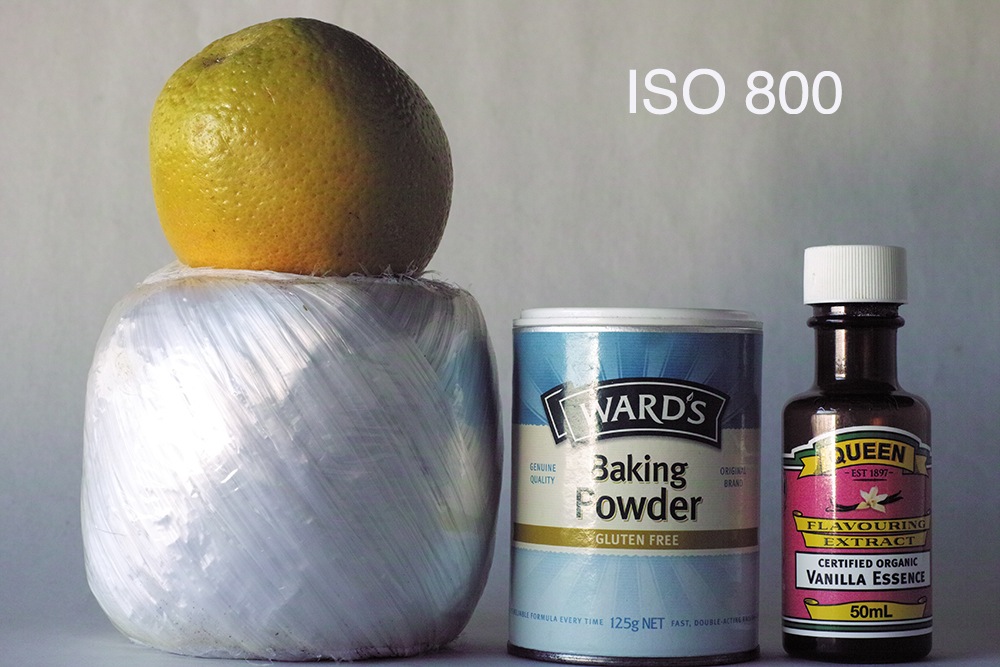

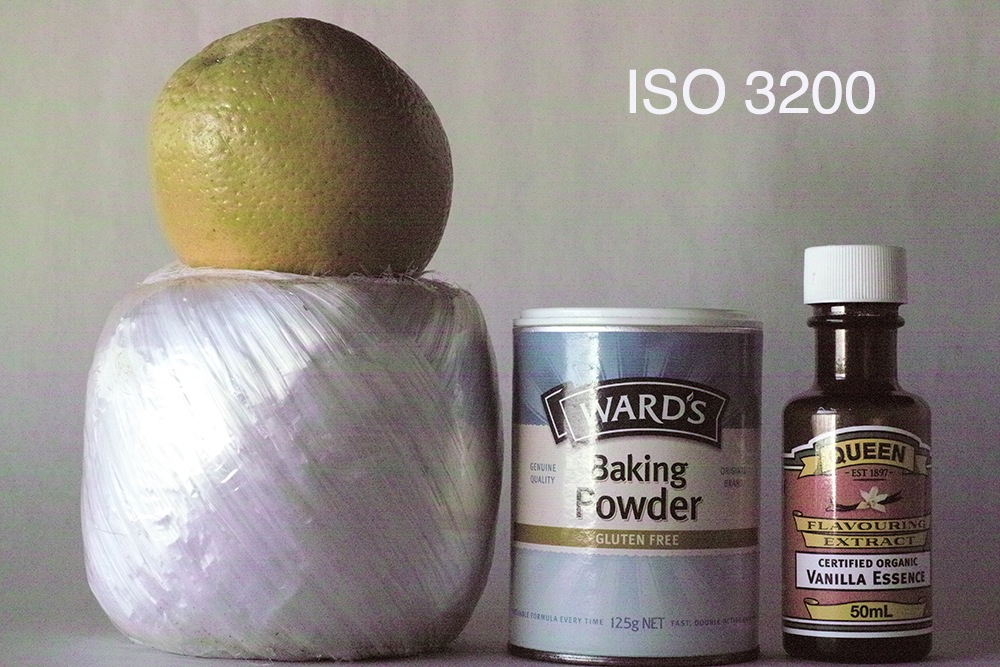

My tests ran from ISO 100 to ISO 6400. On running the images on screen it was apparent that images in the range ISO 100 to 800 had no problems but when ISO 1600 was reached, a blue cast appeared.
Worse still, the ISO 3200 shot displayed even more problems, which became more severe at ISO 6400: these were noise, desaturation of the image and the appearance of horizontal 'tracking lines.'
The camera's selling agent was asked about this oddity and replied: 'I have attached a few photos taken with the DP2 Merrill. You will note a similar pattern appearing on the photos as the ISO increases. This is seemingly a limitation of the Foveon sensor.
'The most effective range of the camera that we have been able to ascertain is between 100 and 800.
'I hope this sheds some light on the situation.'
'The latest version of Sigma's Photo Pro 5.5.1 software can correct some of the colour noise and further processing can help too." Download at http://www.sigma-sd.com/download/photopro.html
'When using the Sigma Photo Pro software you will notice that the initial image (in the RAW .X3F format) gets a lot crisper and the colour will correct to some extent when the software has rendered the image.
'Further processing with Lightroom/Photoshop etc can reduce some of the noise.
'But again, the camera's effective ISO range is generally between 100-800 and this works across the current range [of cameras] and a lot of the older range of Foveon sensors.
'One other thing about this camera is that you will get the best performance when shooting RAW images.'
I did not take the opportunity of using the software fix; it seemed to me that the high ISO problem is something that should have been attended to in the original camera design.
I have searched the Internet and found there is some limited comment about the problem.
Not a good look!
Quality: I found the colour depth to be quite outstanding; sharpness was also excellent.
Why you'd buy the Sigma DP3 Merrill: compact, good quality lens, big sensor.
Why you wouldn't: fixed, longish focal length too restricting; slow and hesitant AF.
Without doubt, a high level camera but the ISO problem is a serious deterrent for me.
Image Sensor: 46 million effective pixels.
Sensor: 23.5×15.7mm Foveon X3 CMOS.
Lens: f2.8/24.2mm (75mm as 35 SLR equivalent).
Metering: Evaluative, centre-weighted, spot.
Exposure Modes: Auto, Program AE, shutter and aperture priority, manual.
Shutter Speed: 30 to 1/2000 second.
Memory: SD/SDHC/SDXC/MMC.
Image Sizes (pixels): Stills: 4704×3136 to 2336×1568.
Movies: 640×480.
Viewfinder: 6.35cm LCD screen (920,000).
File Formats: RAW, JPEG, RAW+JPEG, MPEG4.
ISO Sensitivity: Auto, 100 to 6400.
Continuous Shooting: 3 fps (4 JPEGs or 3 RAW).
Interface: USB 2.0, AV, audio out, DC input.
Power: Rechargeable lithium ion battery, DC.
Dimensions: 121.5×66.7×80.6 WHDmm.
Weight: 400 (body only).
Price: Get a price on the Sigma D3 Merrill Digital Camera at Amazon.
Foveon X sensor. How it differs:
To capture the color that other image sensors miss, Foveon X3® direct image sensors use three layers of pixels embedded in silicon. The layers are positioned to take advantage of the fact that silicon absorbs different wavelengths of light to different depths. The bottom layer records red, the middle layer records green, and the top layer records blue. Each stack of pixels directly records all of the light at each point in the image.
More info at www.foveon.com
Post originally from: Digital Photography Tips.
Check out our more Photography Tips at Photography Tips for Beginners, Portrait Photography Tips and Wedding Photography Tips.

适马发布art系列新款aps-c单反相机镜头18-35mm f1.8 dc hsm——世界第一支恒定光圈达到f/1.8的变焦镜头。12组17片结构,含5片sld镜片和4片非球面镜片,等效焦距27-52.5mm,最近拍摄距离28cm,最高拍摄倍率1:4.3,9片光圈叶片,内对焦、内变焦结构,可灵活适用于各种拍摄场景,为摄影师提供更多便利。
适马在设计12-24mm f/4.5-5.6 ii dg hsm和8-16mm f/4.5-5.6 dc hsm镜头时积累了大量广角变焦镜头设计经验,位于日本汇津的研究开发部门也为镜头做足了技术准备。内置sld、玻璃铸模非球面镜可有效矫正各类像差、像场弯曲,再结合超级多层镀膜技术,可提供锐利、高对比度的成像效果。
适马自去年开始重新规划产品线,接着推出了第一支art系列镜头35mm f/1.4 dg hsm,由于做工、光学表现出色,给消费者带来不小惊喜,18-35mm f/1.8 dc hsm的出现则再次让人惊叹适马的研发实力。
继续阅读全文 适马发布世界第一支f/1.8恒定光圈变焦镜头
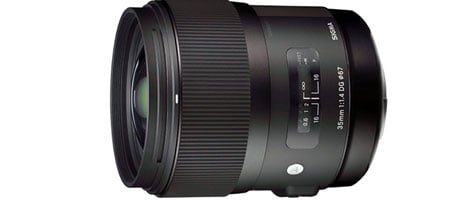
More from Sigma in 2013
We're told Sigma will announce a 135mm f/1.8 DG OS Art lens sometime in 2013. There could be up to 3 more Art lenses announced this year. We've previously heard they would be releasing a 24mm f/1.4 DG Art sometime in 2013.
There has been no mention of an f/2 or faster zoom for full frame cameras.
An update to the 50mm f/1.4 could also be on the horizon.
cr

采用2/3"传感器的富士x20
在本届china p&e的采访中,有媒体提出x系列无反相机的价格相对来说仍然偏高,富士方面则表示有考虑推出满足不同阶层用户需求的更多机身。换句话说,富士正在考虑推出定位和价格都更低的无反机身。
据dci报道,富士可能将于今年夏季推出一款低端x系列无反相机。新相机可能将搭载2/3" x-trans cmos ii传感器,竞争目标是尼康1系列和宾得q10。具体发布时间为今年夏季,秋季上市。
目前富士x20正是采用2/3"传感器的机型,从技术角度来说推出2/3"无反相机是合理的(就像同样搭载aps-c的x100和x-e1)。dci表示提供这条消息的人士之前已经提供过多次准确消息,因此可靠性较高。
继续阅读全文 『传闻』富士将推出2/3"传感器无反相机

使拓宽高水平业余摄影爱 好者市场的"eos 6d
佳能宣布根据佳能的调查结果,自2003年至2012年,10年间佳能可换镜头数码相机(包括数码单反相机和无反相机)在全球市场蝉联市场占有率第一。
新闻稿
4月23日,佳能公司宣布,自2003年至2012年的连续10年间,佳能在可更换镜头式数码相机(数码单反相机和无反光镜相机)的全球市场中,蝉联销售台数市场占有率第一。※1
继续阅读全文 佳能可换能镜头相机连续10年蝉联全球市场占有率第一

松下发布第二代10倍变焦m4/3镜头lumix g vario 14-140mm f/3.5-5.6 asph power ois。新镜头比前代的14-140mm f/4-5.8更小,更轻,更便宜且光圈更大。
14-140mm f/3.5-5.6镜头采用12组14片结构,拥有3枚非球面镜片和2枚ed镜片,最近对焦距离0.3米,最大摄影倍率0.25倍,采用步进式马达,拥有更好的视频对焦体验,滤镜尺寸58mm,重约265克。
继续阅读全文 松下发布14-140mm f/3.5-5.6 M4/3镜头

据sar报道,有可靠消息称蔡司将于5月7日发布三支nex镜头,包括planar 32mm f/1.8、distagon 12mm f/2.8和macro planar 50mm f/2.8。这三支镜头都是aps-c格式的,成像圈无法覆盖全画幅传感器(不过可以用于全画幅相机的截副模式)。
其中32mm f/1.8和12mm f/2.8将于6月上市,50mm f/2.8将于年底上市。三支镜头售价未知,但据估计应该在1,000美元出头。
Sputtered out of the gate
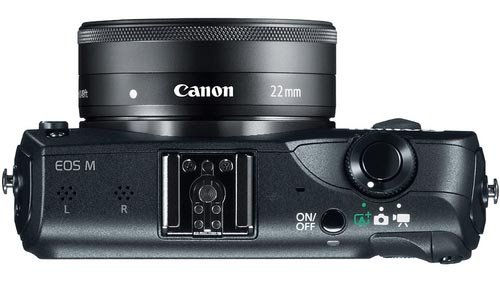
The Canon EOS M system hasn't been the sales success Canon had hoped. Bad press about the autofocus and lack of lenses are probably big reasons why. There's also a feeling Canon isn't totally committed to the mirrorless market, as the segment hasn't really been a dominant player in the United States, like it has in parts of Asia.
We're told Canon plans to "relaunch" the system in the coming months with 2 new cameras. A direct replacement of the EOS M we have now, and a higher end model. The higher end model would get the viewfinder and other accessories. It's also mentioned that the system could see as many as 3 new lenses launched in 2013 to give the system a better chance against the likes of M4/3 and NEX.
A new autofocus system will come with the new cameras and promises to be "class leading".
cr

说到无反相机用大光圈镜头,一般都会先想到福伦达nocton 25mm f/0.95,f/0.95的最大光圈能制造令人憧憬的浪漫氛围。然而,该镜头仅适用m4/3系统,让aps-c无反相机用户只能在一旁干瞪眼。不过沈阳中一很快跟进,推出了aps-c格式无反大光圈镜头mitakon 35mm f/0.95。该镜头已覆盖索尼e、富士x卡口,共有银、黑色两款。
镜头等效焦距52.5mm,全手动操作,与普通镜头不同的是,光圈环设置在镜头前部。由于是无级光圈,因此各档位并没有很清晰的定位感,也可能是厂家有意拓展镜头在视频拍摄领域的功用吧。不管是光圈环还是对焦环,镜头在制造精度方面是无可挑剔的。
目前,国内可更换镜头相机市场正在急速增长,大光圈镜头需求量也随之提高,mitakon 35mm f/0.95只是里面的佼佼者。在今年的cp+展会上,kipon展示了一支ibelux 40mm f/0.85镜头,无反镜头市场竞争激烈程度由此可见一斑。
继续阅读全文 『装饰主义』富士X-E1+Mitakon 35mm f/0.95镜头

近日公开的2013韩国小姐选美参赛选手照片在互联网上引起了热议。网友们关注的话题不是摄影师或选美本身,而是照片中的一个个选手们惊人相似的外貌。
这个话题最早是在一个日本博客被引爆的。该博客发布了20张选美比赛选手的照片,并直言她们之间有着不同寻常的相似度。随后这些照片被发布在reddit上并引起了病毒式传播。网友热议的话题集中在韩国外科整形手术的普及,以及谈论这个问题是否有种族主义嫌疑。
id为hotbrownie的韩国首尔网友留下了自己的评论:
继续阅读全文 2013韩国小姐选美比赛引发争议

尼康发布p7700新版固件升级,最新固件版本号1.1,新版固件主要做出以下更改:

富士发布x100s新版固件升级,最新固件版本号1.02,新版固件主要做出以下更改:

现在我们已经提前看到奥林巴斯e-p5真机照片,早前传闻相机搭载与e-m5相同的1600万像素传感器和图像处理器,让人一度误认为新机只不过是简单的复古换壳"升级"。但根据43r最新消息,e-p5的真实性能要高于e-m5。
e-p5将搭载全新5轴防抖系统,对焦速度更快,并内置wi-fi功能,整体看上去像是一款改良版e-m5。不过既然奥林巴斯可以在不更改传感器、图像处理器等硬件的前提下提高对焦速度,我们是否也可以大胆猜测,e-m5可通过固件升级等方式来提高对焦性能呢?
据悉,奥林巴斯将在下月10号召开新品发布会推出e-p5,一同发布的还有236万画点电子取景器vf-4。

用过徕卡m旁轴相机的人一定知道这套相机系统其实非常适合偷拍。毕竟旁轴相机不像单反那样需要抬升反光板,你能听到所有声响全部来自快门。
不过你可能不知道,徕卡m的快门音量已经成为美国部分州法院庭审摄影设备标准。例如,佛蒙特州最高法院"媒体礼仪准则"就规定:
在庭审过程中,仅允许一位摄影师携带不超过两台相机,且每台相机配备镜头数量不得超过两支,相关打印设备需经允许方可使用。相机产生的音量不得高于徕卡m系列旁轴相机。
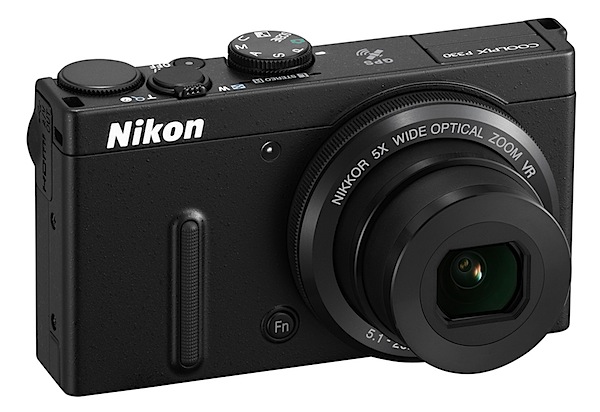
Nikon has again upped the ante in its compact digicam lineup and the Nikon Coolpix p330 is an excellent example of the movement.
A biggish 15mm CMOS sensor, moderate pixel count plus a fast f1.8 lens leads to a surprisingly high performance in such a moderately-priced camera.
Coupled with this is the camera's small size, easy pocketability and light weight.
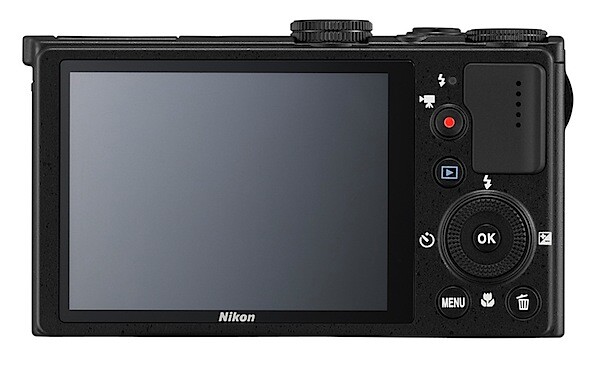
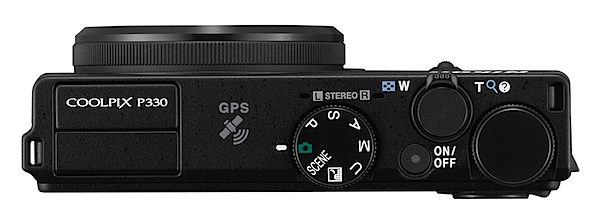
After months of wading through high end DSLRs, MILCs and other complex babies it was a relief to handle this easy to use camera from the well known house of Nikon!
It was indeed a surprise and confirmation in one sense that, in the pursuit of taking images, flashier is not always finer! And, as I've often said, it's the driver not the car!
In many respects this camera is a top buy.



For one thing its maximum still image size is 4000×3000 pixels or 34x25cm as a print is notable.
Video can be shot in MPEG4 as Full HD 1920×1080 pixels. And yes, you can stills during a video shoot without interrupting the latter.
Rarely seen on a camera at this price level, you can capture in JPEG and RAW formats.
The camera has lens-shift VR (Vibration Reduction) which worked well in my time with the camera.
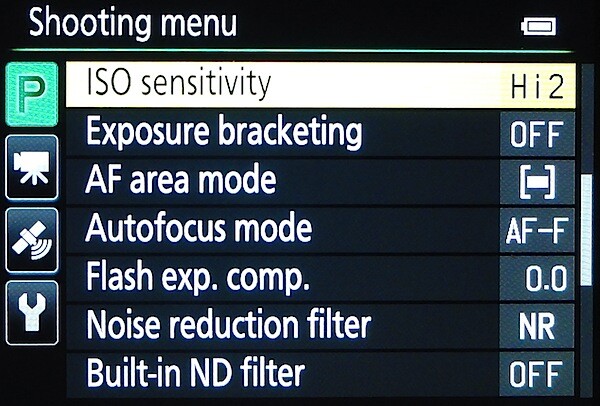
There is built in GPS which logs where shots are taken and this data can be stored for later reference. An onboard database of approximately 1.86 million POI (Points of Interest) lets you confirm and record the name of the location.
At the front is a Function button which gives quick access to such matters as ISO, single/continuous shooting, AWB etc.
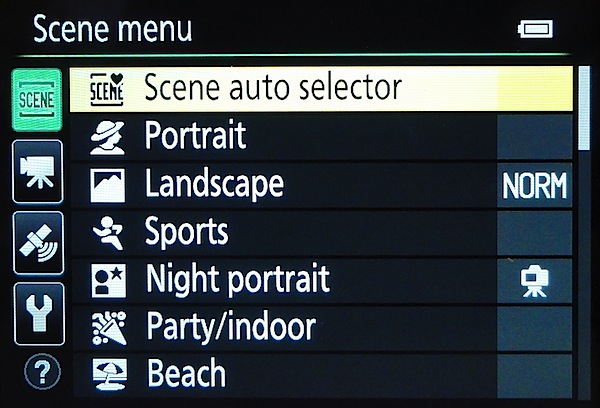
Top deck: at left is the pop up flash cell; at mid position is the mode dial to access PASM settings plus auto, as well as 20 scene modes (sports, fireworks, panorama etc) and a custom user setting; power button; zoom and shutter button; command dial.
Rear: replay; rotary selector to select flash options, exposure compensation, single/continuous shooting and macro; menu; trash.
And tass all. To my mind the external control layout is exemplary. And the menu selections are sufficient.

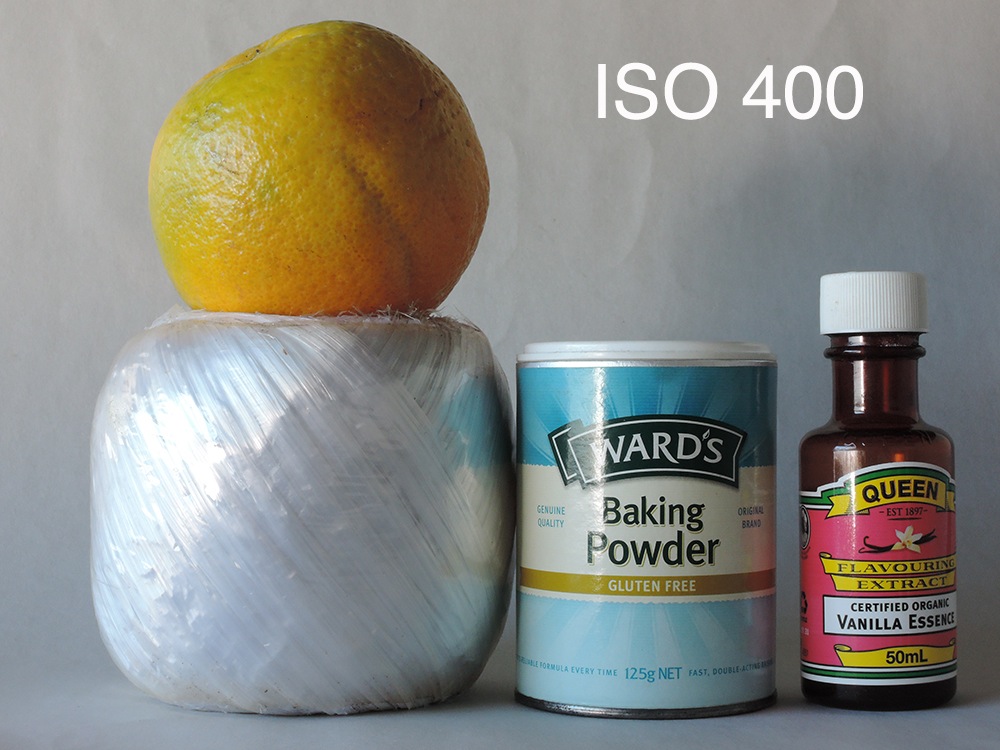
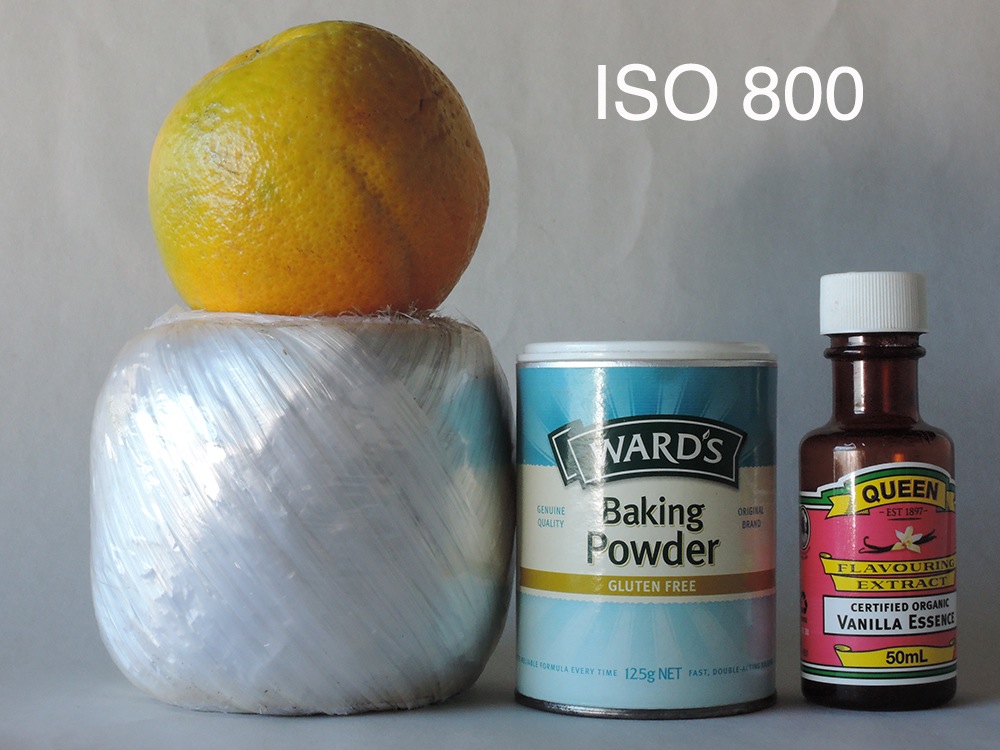

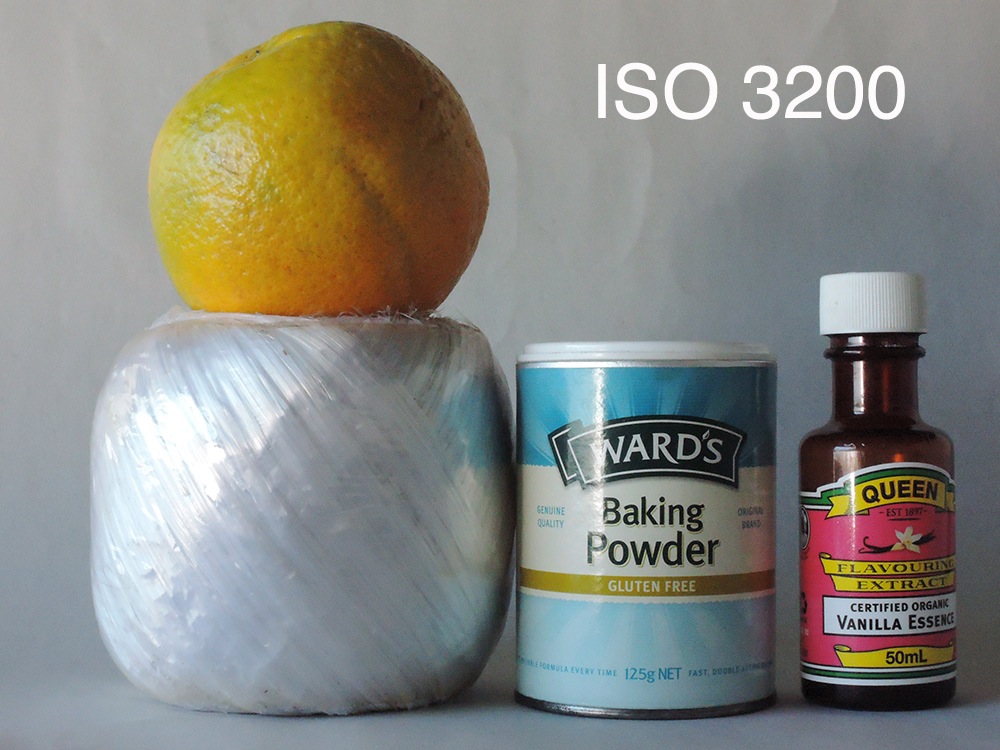
In my tests, the camera handled all ISO settings up to 3200 very well …a good performance for such a low priced camera.
Two seconds from startup to first shot; follow on shots about two seconds apart. Not the fastest kid on the block!
No problems at the wide or tele ends of the zoom.

Quality: above average image quality.
Why you would buy it: pocketable; zoom range for average shooting; easy to use.
Why you wouldn't: you may want a longer zoom.
Impressive camera. If you're on a tight budget and still want above average quality, go for it!
Available in black or white.
Image Sensor: 12.2 million effective pixels.
Metering: Multi, centre-weighted and spot.
Sensor: 15mm CMOS.
Lens: Nikkor f1.8-5.6/5.1-25.5mm (24-120mm as 35 SLR equivalent).
Exposure Modes: Program AE, shutter and aperture priority, manual.
Shutter Speed: 60 to 1/4000 second.
Continuous Speed: 10fps.
Memory: SD/SDHC/SDXC cards plus 15MB internal memory.
Image Sizes (pixels): 4000×3000 to 640×480. Movies: 1920×1080, 1280×720, 960×540, 640×480 at 25 or 30fps.
Viewfinder: 7.5cm LCD (921,000 pixels).
File Formats: JPEG, NRW (RAW), MPO (3D), WAV, MPEG4
ISO Sensitivity: Auto, 100 to 12800.
Interface: USB 2.0, AV, HDMI mini, WiFi, DC input.
Power: Rechargeable lithium ion battery, AC adaptor.
Dimensions: 103x58x32 WHDmm.
Weight: 200 g (inc battery and SD card).
Price: Get a price on the Nikon COOLPIX P330 at Amazon.
Post originally from: Digital Photography Tips.
Check out our more Photography Tips at Photography Tips for Beginners, Portrait Photography Tips and Wedding Photography Tips.


